Heating Repair
.jpg?width=1600&height=896&name=Lucid_Origin_A_professional_HVAC_technician_repairing_an_outdo_2%20(2).jpg)

Air conditioning is a lifeline during the sweltering summer months in Murrieta and Temecula. However, many homeowners notice that their AC units start acting up when the weather changes. At Hutchinson Heating and Air Conditioning, we see this pattern every year: seasonal changes directly influence the performance of HVAC systems.
Understanding how weather affects your AC repair needs can help you prevent costly breakdowns and maintain a comfortable indoor environment year-round.
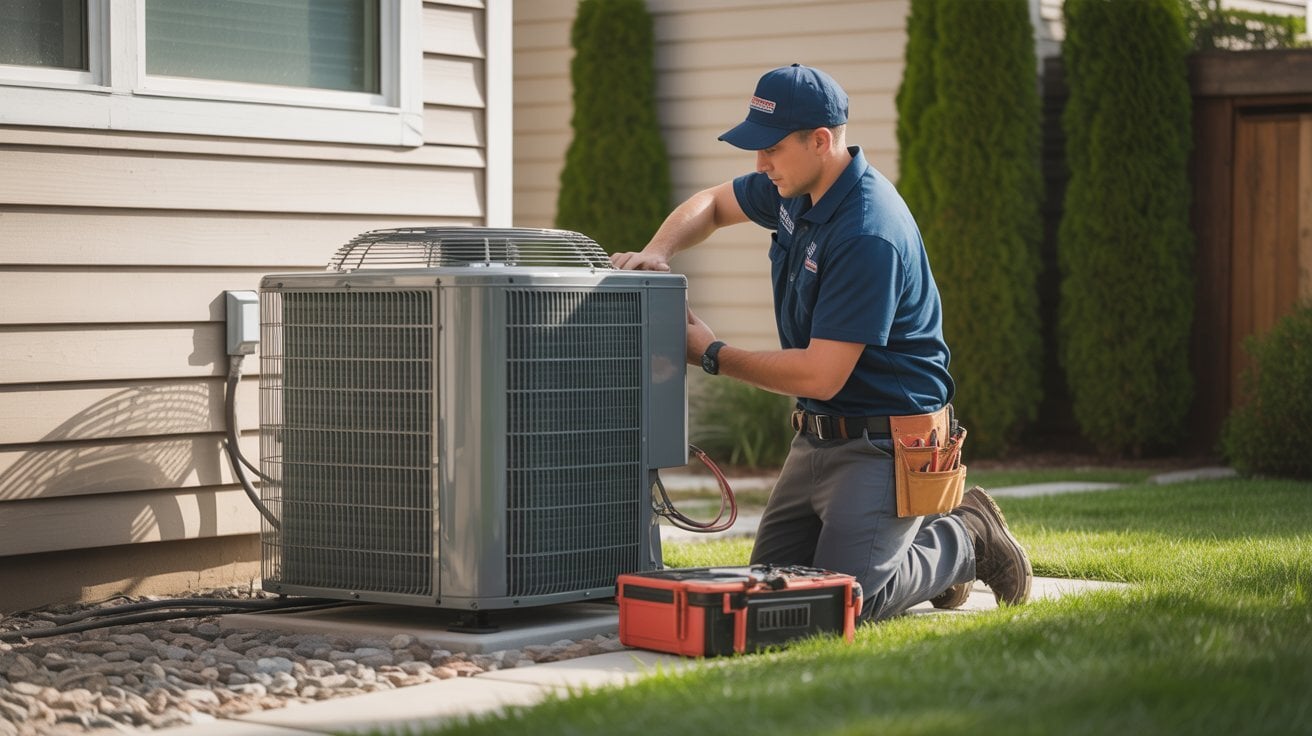
Hot summer days can be brutal on your air conditioning system. When temperatures rise, your AC has to work harder to keep your home cool, which leads to what we call high temperature strain on AC units.
Monitoring your AC during extreme heat is crucial. Regular maintenance and timely repairs help reduce the risks of sudden failure during peak summer.
Your AC’s performance isn’t constant throughout the year. Seasonal changes, including humidity fluctuations and temperature swings, can affect how efficiently your system cools your home.
Scheduling seasonal inspections ensures your HVAC system is ready to handle weather extremes and keeps your home comfortable throughout the year.
Humidity is more than just a sticky nuisance it significantly affects your AC’s ability to cool your home. High indoor humidity forces your air conditioner to work harder, which can increase wear and tear.
Maintaining proper humidity control not only improves comfort but also reduces the chances of AC repair in Murrieta during peak cooling months.
Understanding the common weather-related AC issues can help you identify problems early. Here are some typical repair needs linked to weather:
Addressing these issues promptly ensures your AC operates efficiently and extends its lifespan.
While weather is beyond your control, proper maintenance and proactive strategies can reduce summer AC breakdowns:
Following these practices helps prevent emergency repairs and improves indoor comfort.
Even with preventative care, some issues require expert attention. Contact ac repair Murrieta professionals if you notice:
Timely professional intervention prevents minor problems from becoming major repairs.
You may also read: How Dirty Air Filters Affect AC Performance
Weather can dramatically impact your HVAC system’s performance. High temperatures, humidity, and seasonal fluctuations can increase strain and cause AC breakdowns if left unchecked. Regular inspections, proper maintenance, and early repairs are key to avoiding costly downtime.
At Hutchinson Heating and Air Conditioning, we understand how weather affects your AC repair needs. Protect your home’s comfort and your investment by scheduling a professional service today. Contact us to ensure your AC is ready for any weather and enjoy efficient, reliable cooling all year long.
How often should I schedule AC maintenance in extreme weather areas?
Ideally, schedule maintenance twice a year once in spring and once in fall to prepare for seasonal changes.
Can high humidity alone cause my AC to fail?
High humidity increases strain and reduces efficiency, which can lead to system failure if not addressed with proper maintenance.
Why does my AC freeze during hot weather?
Frozen evaporator coils often indicate low refrigerant, poor airflow, or overworked compressors due to extreme heat.
Is it more expensive to repair my AC in summer?
Yes, demand is higher in summer, making parts and emergency repairs more expensive.
Can I prevent weather-related AC breakdowns myself?
You can improve performance by regularly changing filters, clearing vents, and monitoring system operation, but professional inspections are crucial for preventing major issues.