Heating Repair
Heater Installation
HVAC
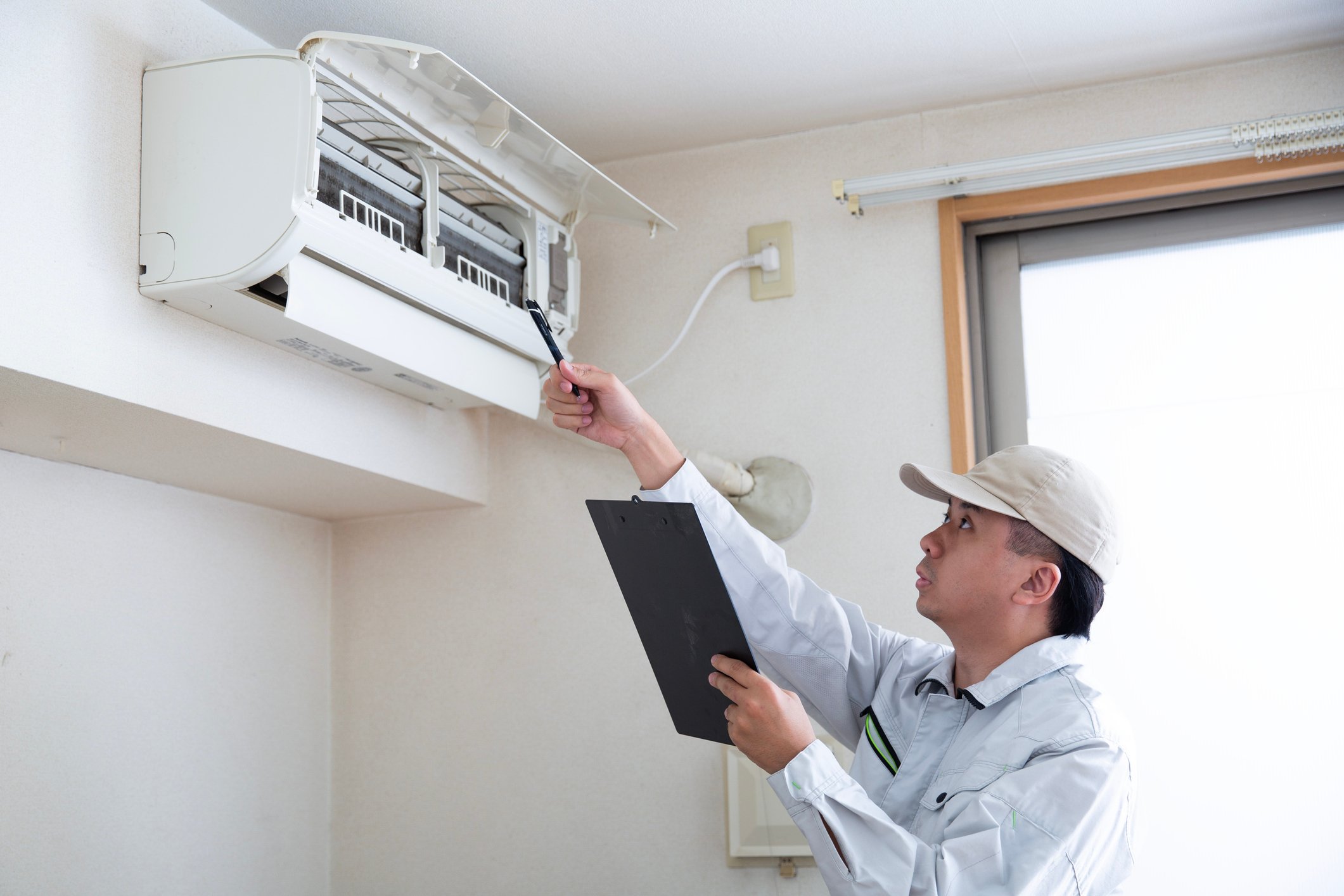

The 20 rule for air conditioning is a simple guideline used in the HVAC industry. It explains how much cooler your indoor air should be compared to the outdoor temperature.
The 20 degree rule for air conditioners states that your AC system is designed to cool your home about 15 to 20 degrees lower than the outside temperature. This is also known as the air conditioner temperature split rule.
For example:
This rule helps homeowners understand system performance. It also prevents unrealistic temperature settings that strain equipment.
Many homeowners ask: How much cooler should AC be than outside temperature?
The answer depends on system condition, insulation, humidity, and sun exposure. But in most cases:
If your AC cannot maintain this temperature split, there may be an issue with:
The 20 rule for air conditioning gives you a quick way to check performance without technical tools.
Understanding the 20 rule for air conditioning protects both comfort and equipment lifespan.
When you set your thermostat too low on extremely hot days, your AC may run non-stop. Continuous operation increases:
Air conditioners are designed with a specific cooling capacity measured in BTUs. They remove heat at a steady rate. If outdoor temperatures rise sharply, cooling capacity remains limited.
Following the 20 degree rule for air conditioners ensures:
Compressors are the heart of the system. Overworking them can shorten lifespan. Maintaining the ideal AC temperature difference in summer reduces strain.
The air conditioner temperature split rule is based on heat transfer principles.
An AC system works by:
During normal operation, the temperature difference between supply and return air inside your home is usually 16–22 degrees. This internal temperature split confirms proper cooling performance.
If your indoor air return is 78°F, the supply air blowing from vents should be around 58°F–62°F.
If the difference is smaller, airflow or refrigerant issues may exist.
Summer heat can be extreme, especially in hot regions. So what is the ideal AC temperature difference in summer?
Most HVAC professionals recommend:
For example:
Trying to cool to 70°F when it’s near 100°F outside may push the system beyond its design capacity.
Humidity also plays a major role. High moisture levels make rooms feel warmer. Proper airflow and maintenance help manage both temperature and humidity.
If your system cannot maintain the 20 rule for air conditioning, watch for these warning signs:
Low airflow may indicate clogged filters or duct leaks.
If air is not 16–22 degrees cooler than return air, the refrigerant level may be low.
If your AC never shuts off during moderate heat, the system could be undersized.
Increased electricity usage without better cooling is a red flag.
Routine inspections prevent small issues from becoming major failures.
The 20 degree rule for air conditioners assumes ideal conditions. Several factors can reduce cooling performance.
Poor insulation allows heat to enter quickly. This makes it harder to maintain the ideal AC temperature difference in summer.
Leaky ducts reduce airflow efficiency and cooling output.
An undersized unit cannot keep up with large spaces. An oversized unit cycles too often and fails to control humidity.
Direct sunlight on walls and windows increases indoor temperature.
Dirty evaporator coils and clogged filters reduce cooling capacity.
Scheduling professional AC Repair service at the first sign of trouble can restore performance and efficiency.
To ensure your system follows the air conditioner temperature split rule:
Professional inspections check refrigerant pressure, airflow balance, and thermostat calibration.
A well-maintained system will consistently follow the 20 rule for air conditioning.
Setting the thermostat to 65°F does not cool your home faster. It only forces the system to run longer.
Air conditioners have limits. They are not designed to maintain extreme temperature gaps in severe heat.
An oversized unit cools too quickly and does not remove humidity properly. Comfort suffers.
Understanding how much cooler should AC be than outside temperature helps set realistic expectations.
If your home cannot maintain the ideal AC temperature difference in summer, professional evaluation is necessary.
Technicians check:
Small corrections can restore efficiency and comfort quickly.
At Hutchinson Heating and Air, trained technicians diagnose airflow issues and system inefficiencies using proven HVAC methods. Following the 20 rule for air conditioning ensures long-term reliability and cost savings.
The 20 rule for air conditioning is a practical guideline that helps homeowners understand system limits. Most air conditioners can cool indoor air 15–20 degrees lower than outdoor temperatures. This is the foundation of the 20 degree rule for air conditioners and the air conditioner temperature split rule.
If your system struggles to maintain the ideal AC temperature difference in summer, it may need maintenance or repair.
Proper airflow, refrigerant levels, insulation, and system sizing all affect performance.
For trusted service and expert evaluation, Contact usHutchinson Heating and Air today. Our team ensures your system follows the correct cooling principles and delivers consistent comfort even during peak heat.
The 20 rule for air conditioning states that your AC should cool indoor air about 15–20 degrees lower than outside temperature.
Typically, your AC should maintain a 15–20 degree difference under normal operating conditions.
The ideal AC temperature difference in summer is around 15–20 degrees, depending on humidity and insulation.
The air conditioner temperature split rule refers to the 16–22 degree difference between return and supply air inside your home.
Extreme outdoor heat, poor insulation, refrigerant issues, or system sizing problems may limit cooling capacity.