Heating Repair
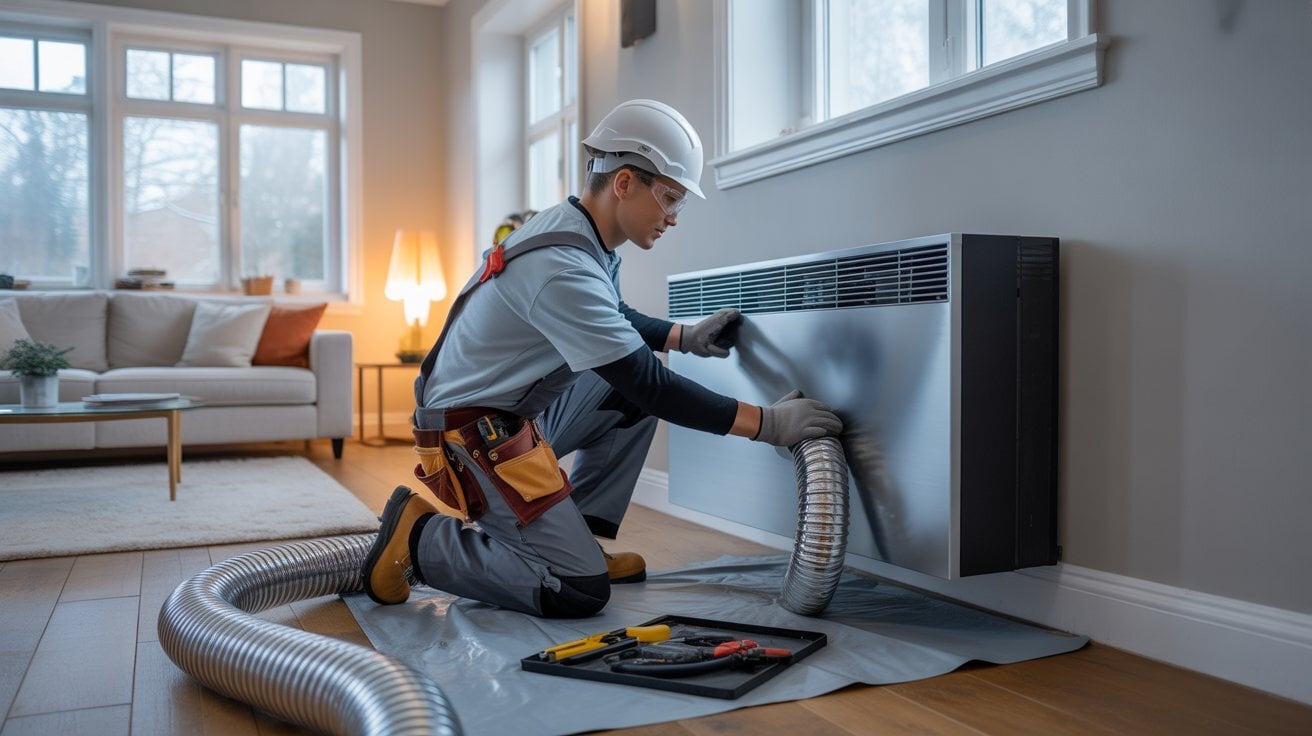

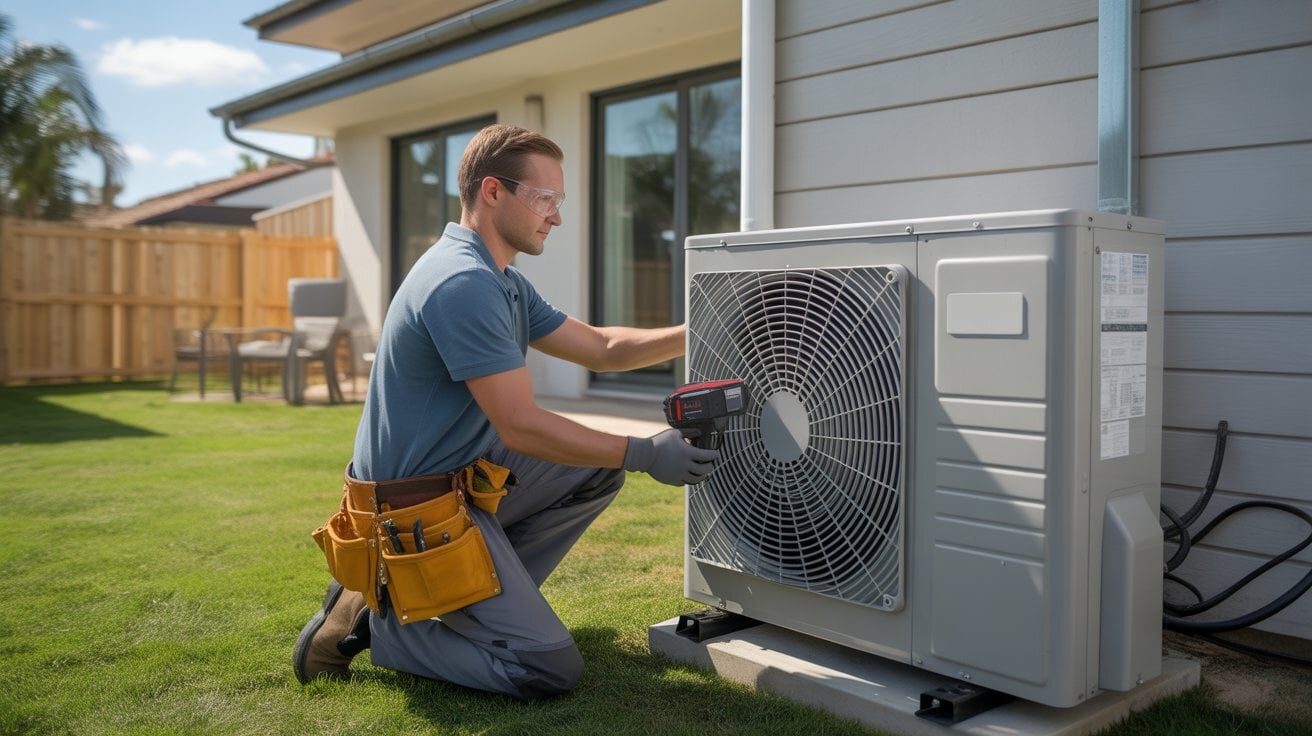
Proper maintenance after heater installation is crucial to keep your system running efficiently, safely, and reliably. Many homeowners often overlook post-installation care, leading to unexpected breakdowns and higher energy bills. At Hutchinson Heating and Air Conditioning, we emphasize the importance of heater maintenance after installation to ensure your system delivers consistent warmth throughout the colder months.
Whether you’ve recently completed a heating installation in Murrieta or are planning one soon, following the right maintenance practices can improve your heater’s lifespan and performance while preventing costly repairs. In this guide, we’ll explore practical tips for keeping your heater in top condition after installation.
After a heater is installed, its performance and efficiency depend on proper care. Neglecting maintenance can cause:
Professional installation ensures your heater starts on the right foot, but regular heater maintenance after installation keeps it running smoothly year after year. At Hutchinson Heating and Air Conditioning, we recommend integrating routine checkups and cleaning practices into your home maintenance schedule.
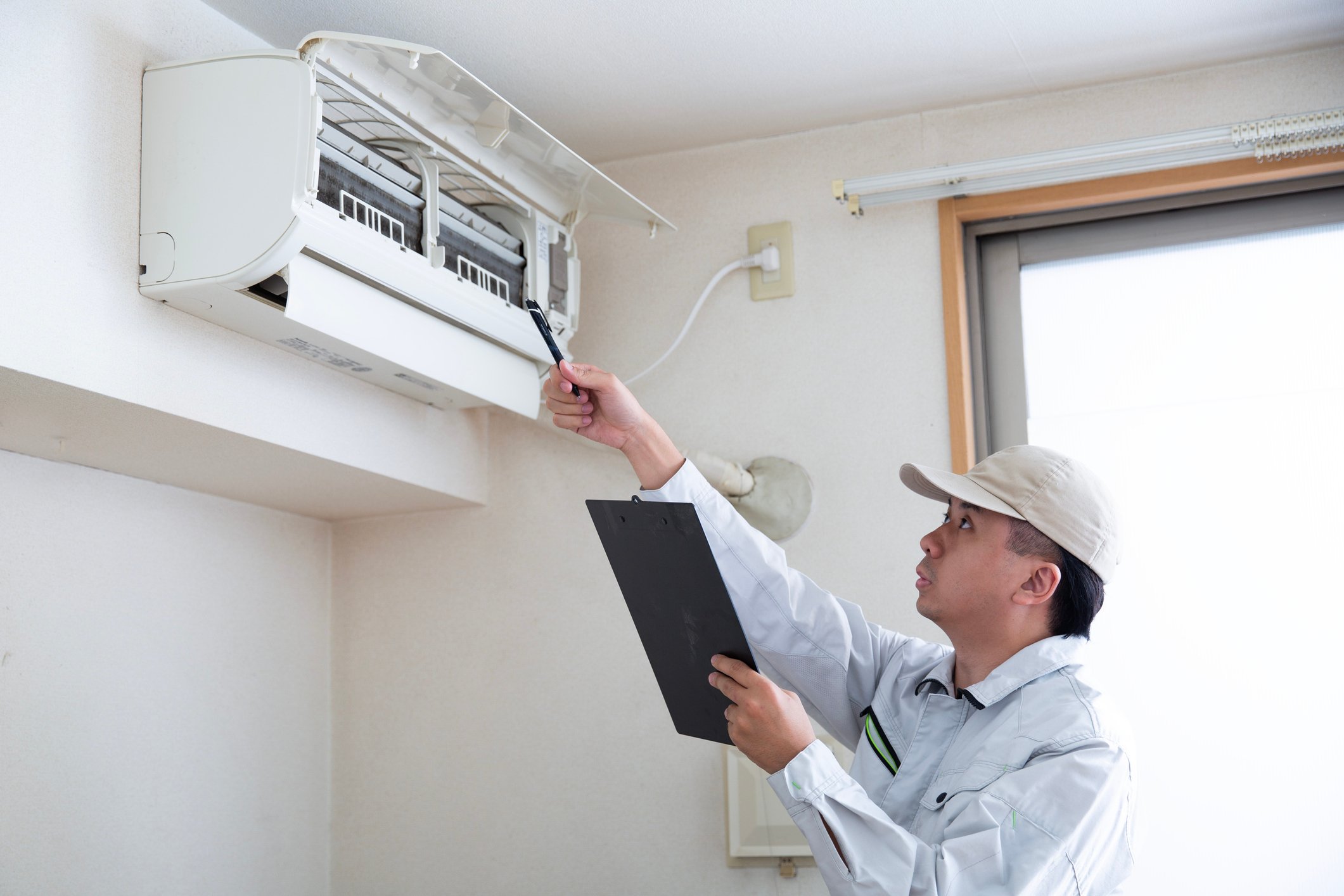
Routine inspections are the backbone of effective post-installation maintenance. A regular heater checkup by a certified HVAC technician allows early detection of potential problems, such as:
We advise scheduling at least one professional inspection annually. For homes with older systems or heavy usage, two checkups per year are ideal. These inspections prevent heater breakdowns and maintain consistent indoor comfort.
Dirty filters restrict airflow, forcing your heater to work harder and reducing efficiency. Cleaning or replacing filters regularly is one of the simplest ways to maintain your heater. Key points include:
By maintaining clean filters, you improve indoor air quality, reduce energy consumption, and extend your heater’s life. This small step is essential for improving heater efficiency after installation.
Blocked or damaged vents and ducts can lead to uneven heating and system strain. During maintenance:
Proper airflow supports efficient heater performance and helps prevent long-term problems like overheating or component failure. Regular inspections of your ductwork are an integral part of heater maintenance after installation.
A faulty or incorrectly calibrated thermostat can cause inconsistent heating and wasted energy. Maintenance steps include:
Accurate temperature control ensures your heater works only when necessary, maximizing comfort and reducing energy costs.
Many heaters have moving components such as motors and fans that require occasional lubrication. Lack of lubrication can cause:
During professional checkups, technicians can lubricate these parts, keeping your heater running smoothly and quietly.
Modern heaters include safety mechanisms to prevent hazards. After installation, make sure:
Regular safety checks protect your home and family while ensuring your heater operates reliably.
Keep an eye on your energy bills to detect sudden spikes. A sudden increase may indicate:
Early detection allows you to address issues before they escalate into costly repairs. Monitoring usage is a simple yet effective part of heater maintenance after installation.
Different seasons require specific attention:
Seasonal maintenance ensures year-round efficiency and minimizes emergency repair needs.
While homeowners can perform basic upkeep like cleaning filters and checking vents, some tasks require professional expertise:
|
DIY Maintenance |
Professional Maintenance |
|
Cleaning/replacing filters |
Inspecting and lubricating motors and fans |
|
Dusting vents and grills |
Detecting and repairing leaks in ductwork |
|
Visual thermostat checks |
Comprehensive system diagnostics |
|
Basic safety checks |
Calibrating thermostats and safety features |
Relying on professional technicians ensures thorough inspections, avoiding costly heater breakdowns.
Avoiding these mistakes ensures your heater operates efficiently and safely throughout its lifespan.
Even with proper DIY care, some issues require expert attention:
If any of these symptoms occur, contact a trusted HVAC service for heating installation Murrieta and maintenance.
You may also read: How Much Does Heater Installation Cost in 2025?
Proper heater maintenance after installation is essential for comfort, safety, and cost savings. Simple steps like cleaning filters, monitoring energy usage, and scheduling professional checkups keep your system running efficiently. For residents in Murrieta and surrounding areas, Hutchinson Heating and Air Conditioning provides expert maintenance and reliable solutions for all types of heaters. Don’t wait for a breakdown. Contact us today to keep your home warm and safe all year long.