Heating Repair
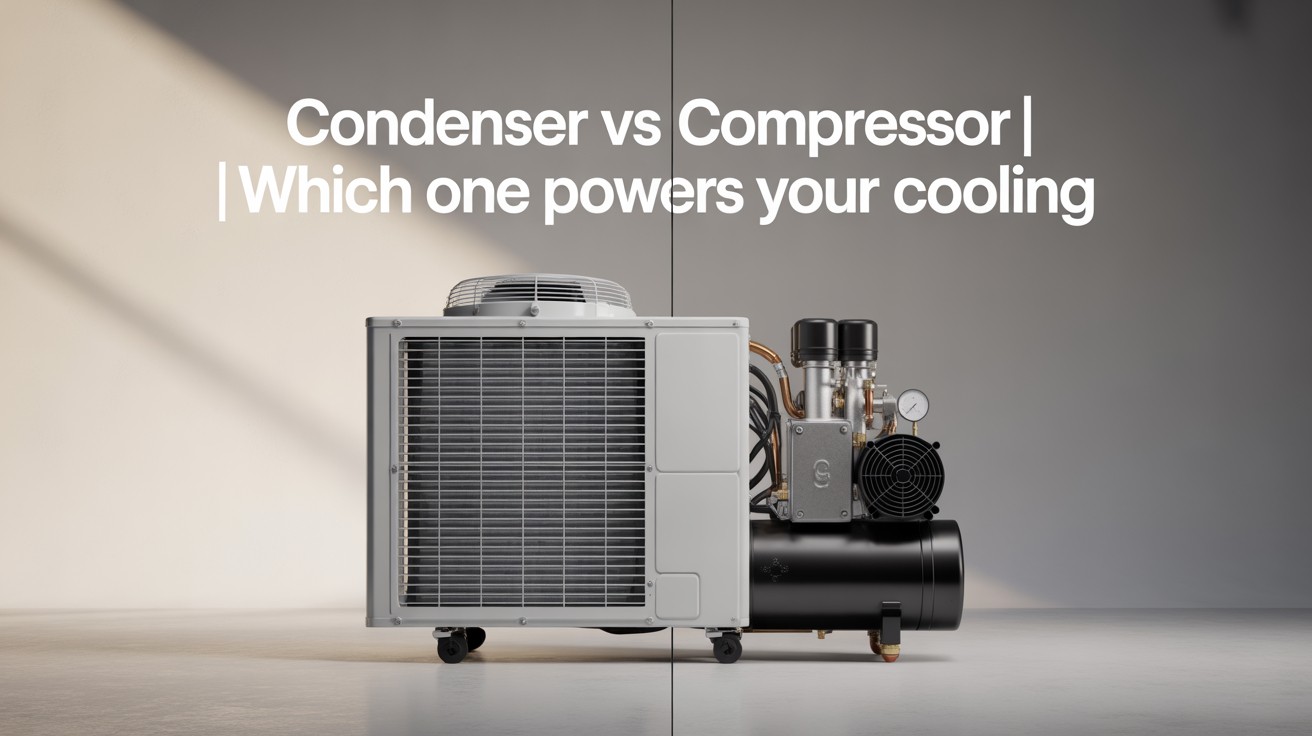

When it comes to how your air conditioner works, most homeowners know it keeps the house cool but few understand the difference between the main parts that make it happen. The Condenser vs Compressor debate is one that often confuses people, but understanding these components is key to knowing how your AC delivers comfort.
Your air conditioner’s cooling process relies on both the compressor and the condenser working in harmony. The compressor is often called the “heart” of the system, while the condenser acts like its “lungs,” expelling the heat from inside your home. In this blog, we’ll break down the difference between condenser and compressor, how they work together, and which one truly “powers” your cooling system.
If you’re looking for HVAC installation Murrieta & Temecula CA or need quick emergency HVAC services Murrieta & Temecula CA, knowing about these parts will help you make better repair or replacement decisions.
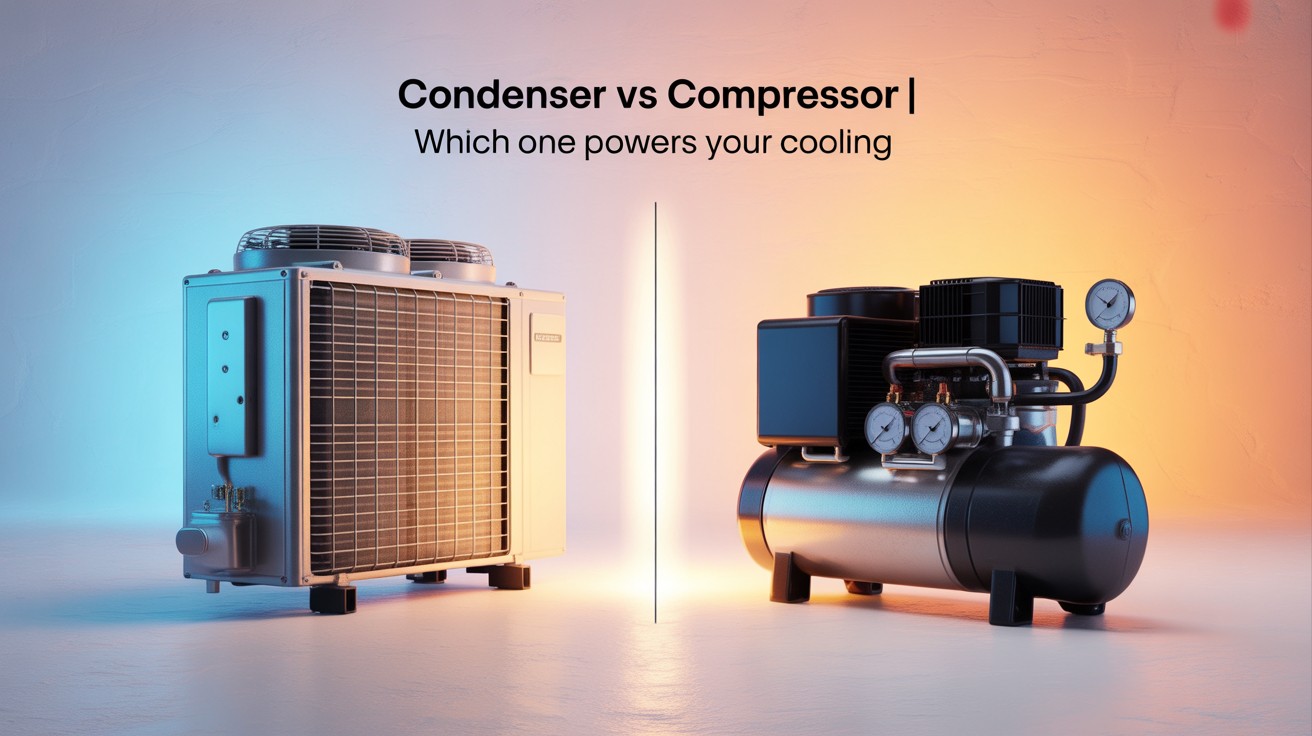 The compressor is the driving force behind the cooling process. It’s usually located in the outdoor unit of your AC system and works by compressing refrigerant gas into a high-pressure, high-temperature state. This process moves the refrigerant through the system, enabling it to absorb heat from inside your home.
Without the compressor, the cooling cycle wouldn’t start at all. It is often compared to a pump that pushes refrigerant through coils and ensures heat transfer happens efficiently. In the AC condenser vs compressor comparison, the compressor is the first stage of cooling. It prepares the refrigerant to release the heat it absorbs from indoors.
While the compressor initiates the process, the condenser is equally important in actually removing heat from your home. The condenser’s job is to take the hot, pressurized refrigerant gas from the compressor and cool it down so it turns back into a liquid. This happens when the refrigerant passes through condenser coils and the heat is expelled into the outside air.
In short, the compressor “starts the work,” and the condenser “finishes the job.” In the compressor vs condenser in HVAC discussion, one cannot work without the other. If the compressor fails, the refrigerant won’t circulate. If the condenser fails, heat won’t be removed. Your AC needs both to function efficiently.
The difference between condenser and compressor comes down to their position and purpose in the cooling cycle:
While the compressor deals with refrigerant pressure and flow, the condenser is all about heat removal. In the compressor vs condenser efficiency comparison, both have specific efficiency requirements one related to compression power, the other to heat transfer capability.
Imagine the compressor as the heart, pushing refrigerant through the system, and the condenser as the lungs, releasing unwanted heat outside. The cooling process works like this:
This teamwork ensures your AC system runs smoothly. If you ever need heating repair Murrieta & Temecula or heating and air conditioning Murrieta & Temecula CA service, your technician will likely inspect both these components to keep your system in top shape.
Both components can fail, but the compressor tends to be more expensive to replace. Common compressor issues include electrical failures, refrigerant problems, or mechanical breakdowns. Condensers may fail due to dirt buildup, coil damage, or fan motor issues.
Preventive maintenance, such as cleaning coils, checking refrigerant levels, and servicing electrical connections, can help both components last longer. This is why regular tune-ups from a trusted HVAC installation Murrieta & Temecula CA company are essential.
To get the most from your cooling system, focus on both parts:
An efficient compressor ensures refrigerant circulates properly, while an efficient condenser guarantees quick heat removal. The combination results in lower energy bills and better cooling.
The Condenser vs Compressor discussion isn’t about which is more important—it’s about how they work together to keep you cool. The compressor starts the cycle, pumping refrigerant, while the condenser finishes it by releasing heat outdoors. Without one, the other can’t function.
If you’re looking for expert service in HVAC installation Murrieta & Temecula CA, or need fast emergency HVAC services Murrieta & Temecula CA, visit Condenser vs Compressor | Which One Powers Your Cooling. Hutchinson Heating and Air Conditioning LLC is here to keep your system running at its best because your comfort matters in every season.
For more information: Condenser vs Compressor | Which One Powers Your Cooling
What’s the main difference between condenser and compressor?
The compressor increases refrigerant pressure and pushes it through the system, while the condenser cools it down and expels heat outside.
Which part is more expensive to replace compressor or condenser?
The compressor is generally more expensive due to its central role in the cooling process.
Can my AC work if the compressor is bad but the condenser is fine?
No. Without a functioning compressor, refrigerant won’t circulate, and cooling won’t happen.
How can I make my condenser and compressor last longer?
Schedule regular maintenance, clean your outdoor unit, and ensure proper refrigerant levels.
Who should I call for HVAC repairs in Murrieta and Temecula?
Hutchinson Heating and Air Conditioning LLC offers professional heating and air conditioning Murrieta & Temecula CA services, including emergency repairs.