Heating Repair
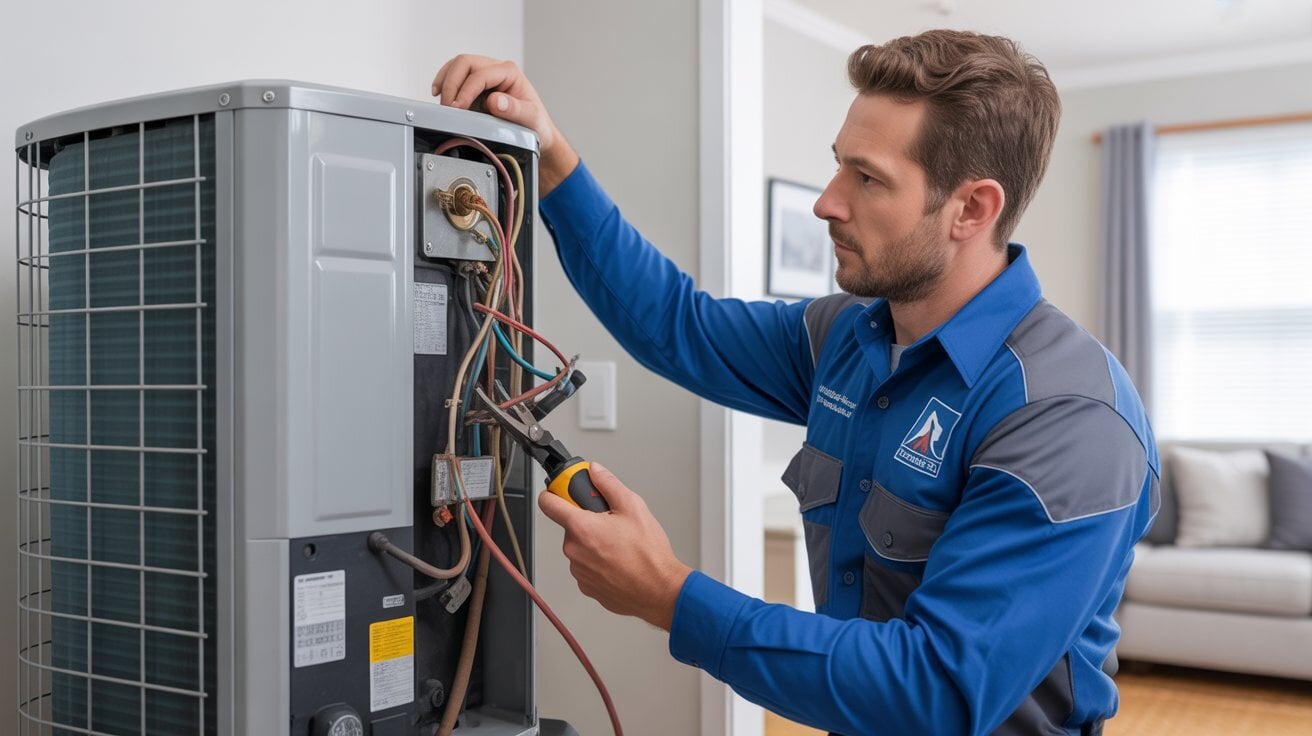

When your AC is making a loud noise, it’s a clear sign something isn’t right inside your cooling system. Whether it’s a rattling AC unit, a buzzing sound, or compressor noise, these sounds usually point to mechanical issues, loose parts, or blocked components. Ignoring the noise may lead to expensive repairs or even a full system breakdown.
In this guide, Hutchinson Heating and Air Conditioning explains what each type of AC noise means, what causes it, and when you should call for professional help.
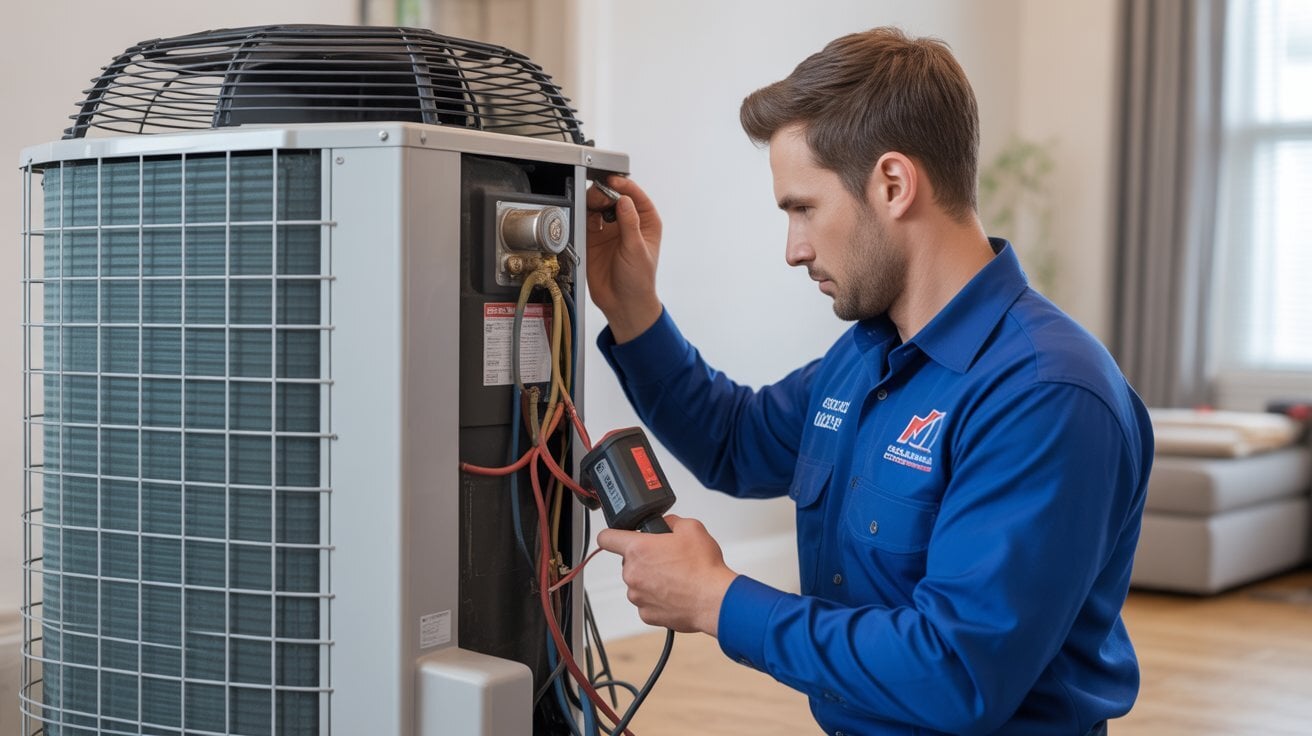 Air conditioners are designed to run quietly. A sudden loud noise usually means one of the following:
Each noise type rattling, buzzing, banging, squealing, or humming—reveals a different problem. Let’s break them down.
A rattling AC unit is one of the most common complaints from homeowners in Temecula and Murrieta. Rattling often starts small but gets louder as parts wear out.
Turn off the unit and inspect visible areas for debris. Tighten any loose panels or screws. If the rattling continues, it could indicate internal motor issues that require professional attention.
For expert diagnosis and fast fixes, schedule your ac repair Temecula service today.
A buzzing sound from your AC can be caused by electrical faults or refrigerant imbalances. It may sound like a low hum or an electric buzz coming from the outdoor unit.
Ignoring a buzzing noise can lead to compressor failure and costly repair. Always shut off power before checking or cleaning any components.
When you hear a banging or clanking noise, it usually means a part has come loose or broken inside the compressor. This is not something you should ignore.
This type of problem often requires replacing the compressor or motor. Contact a licensed HVAC technician immediately to prevent further damage.
A squealing noise often comes from the blower motor or belt-driven components. If you hear a high-pitched squeal when the system starts, it’s a clear sign of friction or mechanical wear.
Applying lubricant may reduce noise temporarily, but long-term relief requires replacing worn parts or realigning components.
A low humming noise can sound harmless, but it often signals electrical or mechanical stress.
Tighten the mounting bolts and inspect wiring. If the humming persists, call a technician to check for electrical issues before they worsen.
If your AC makes repetitive clicking sounds, especially when starting or shutting off, it may be due to relay switches or thermostat malfunction.
Clicking sounds shouldn’t be ignored, especially if the system fails to start after several clicks.
A hissing sound means air or refrigerant is escaping. The noise may come from the indoor air handler or refrigerant lines.
Shut down your unit and contact an HVAC expert. Refrigerant leaks not only reduce cooling efficiency but can also harm the environment.
If your AC makes a grinding or metal-on-metal noise, it often means the motor bearings or fan assembly are wearing out.
Do not operate the AC when it’s making a grinding noise. Doing so can cause permanent motor damage. Replace or service the motor immediately.
Sometimes, the loud noise doesn’t come from the AC itself but from the ductwork. Popping or booming sounds usually occur when metal ducts expand and contract with temperature changes.
Adding insulation and flexible connectors can reduce expansion noise. A technician can also balance the airflow to minimize stress on ducts.
While some minor noises come from loose screws or debris, many sounds indicate deeper issues within the compressor or motor.
Call a licensed HVAC technician if:
A timely inspection can prevent costly replacements and extend your AC’s life.
Regular maintenance is the key to a quiet, efficient AC system.
Proactive care not only stops noises but also improves system efficiency and energy savings.
At Hutchinson Heating and Air Conditioning, we provide complete AC inspection, cleaning, and repair services across Temecula, Murrieta, and nearby areas. Our experienced technicians can quickly identify the source of your AC noise and restore quiet, efficient performance.
If your AC is making loud noise, don’t wait for it to turn into a bigger issue. Call us for professional AC repair, cleaning, and maintenance services you can trust.
You may also read this: Why Is My Air Conditioner Leaking Water?
A noisy air conditioner isn’t just annoying, it's a warning sign. Whether it’s a rattling AC unit, a buzzing sound, or compressor noise, understanding the cause helps prevent future breakdowns.
For reliable repairs and long-lasting cooling comfort, contact Hutchinson Heating and Air Conditioning today for expert inspection and ac repair Temecula services.
Why is my AC making a loud rattling noise?
A rattling noise usually means loose parts or debris stuck in the outdoor unit. It can also come from a worn blower fan or mounting bracket.
Is it safe to run my AC if it’s making noise?
It’s not recommended. Continuous operation may worsen damage to internal components like the compressor or motor.
What does a buzzing sound from my AC mean?
Buzzing often points to electrical issues, dirty coils, or a failing compressor. Turn off your system and call an HVAC technician.
How can I stop my AC from making noise?
Regular maintenance, cleaning, tightening screws, and professional inspections prevent most AC noises.
When should I call a technician for noisy AC?
If the noise doesn’t stop after basic cleaning or if your system stops cooling, it’s time for professional repair service.